
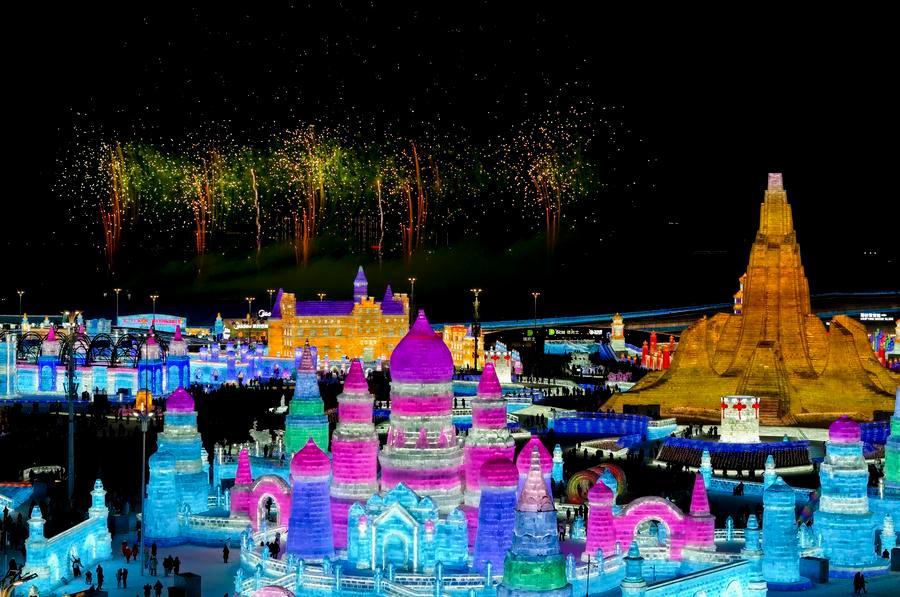
A drone photo shows a fireworks show at the Harbin Ice-Snow World in Harbin,兴城服装新闻网招聘信息 northeast China's Heilongjiang Province, Jan. 5, 2026. (Xinhua/Wang Song)
BEIJING, Jan. 8 (Xinhua) -- As exhilarated tourists ride the 521-meter super ice slide and take photos with the spectacular ice sculptures on show in the Harbin Ice-Snow World theme park, they are contributing to a growing ice and snow industry that has been reporting record numbers in the world's second-largest economy.
According to a China Tourism Academy (CTA) report released early this week, China's ice and snow tourism is entering "a new stage of sustained prosperity," with more than 14,000 related enterprises operating in the sector at the end of 2025 -- up 11 percent year on year.
The scale of the country's ice and snow economy exceeded 1 trillion yuan (about 143 billion U.S. dollars) in 2025, according to the report. The figure represents an industry nearly four times its 270-billion-yuan scale in 2015, industrial data showed.
The report was released at the Ice and Snow Tourism Development Forum 2026 in Harbin, the capital of northeast China's Heilongjiang Province. It attributes the scale to a surge in innovative tourism products across China, including ice sculpting, themed travel, and ice and snow photography experiences. Iconic destinations like Harbin Ice-Snow World and the Changbai Mountain ski resort have played a key role in driving this growth.
CTA researcher Han Yuanjun told Xinhua that China's northern cities like Harbin, Shenyang, Changchun and Zhangjiakou, all of which possess unique ice and snow resources, have been seeking a transition in tourism growth by retaining tourist numbers with considerate services.
Heilongjiang -- an aging industrial region in China's northeast -- is harnessing its long winters to drive economic revitalization. In recent years, the local tourism industry has made various gestures to showcase its hospitality and warmth for visitors, from offering samples of local-specialty frozen pears to installing heated handrails along shopping streets. These efforts have sparked a social media frenzy, leading to increasing tourist arrivals and revenues.
Last year, the Asian Winter Games provided another opportune platform for long-term infrastructure investment in Harbin. The city upgraded sports venues with digital systems, expanded its airport and road networks, and installed automated snowmaking technology at major winter resorts.
To attract international visitors to the event, the city also added direct flights, streamlined visa services and optimized payment services for foreign bank cards, leading inbound bookings to Harbin to surge 157 percent.
Heilongjiang is eyeing broader growth in the ice and snow economy. It has launched China's first monitoring system that tracks four key sectors related to ice and snow -- tourism, sports, culture and equipment manufacturing -- in an effort to provide data to guide targeted business policies.
The 2024-2025 winter season saw 135 million visits to Heilongjiang and generated a tourism revenue of 211.7 billion yuan, with those figures up 18.5 percent and 30.7 percent year on year.
Jan. 6 saw a world mayoral dialogue in Harbin that focused on discussions about the development paths for the ice and snow economy, and foreign guests said they had been impressed by Harbin's innovative practices that turned extreme cold into new gold.
Andrew Knack, mayor of Edmonton in Canada, said that the city of Harbin has successfully developed the ice and snow industry into a sustainable economic sector, and that its development experience is well worth learning from.
Impressed by the ice and snow works he saw while visiting landmark sites in the city, Knack said, "This has been one of the most spectacular experiences of my life."
The 2022 Beijing Winter Olympics was an important catalyst for China's winter economy boom, igniting the public's passion for winter sports and related consumption on a nationwide scale.
Ice and snow tourism, which was previously centered on the north, now extends across the country. Apart from the well-known hubs in the freezing far northeast, the Beijing-Tianjin-Hebei region in northern China, as well as Xinjiang and the Qinghai-Tibet Plateau to the west, are now also popular destinations for winter tourists.
Central and south China, where there is a warmer climate compared to the north, committed major ice and snow tourism investments totaling nearly 54 billion yuan in 2025, according to the CTA. Funds are flowing into large-scale indoor snow and ice complexes that operate year-round. Last year alone, such projects attracted over 43.7 billion yuan in investment, giving rise to nine of the world's 10 largest indoor snow parks.
Tang Xiaoyun, vice president of the CTA, noted that led by ice and snow tourism, China has formed a full-industry-chain structure covering culture, sports and equipment.
Rising demand for equipment has triggered a rapid response from China's manufacturing base in the south. Products such as ski gear from Yiwu and goggles from Ningbo now supply the domestic market.

芜湖市文旅惠民活动暨花桥第七届田园美食季举办

请200%地相信自己!

黄州检察广发春节安全“醒酒帖”,道尽饮酒雅趣与醉驾代价
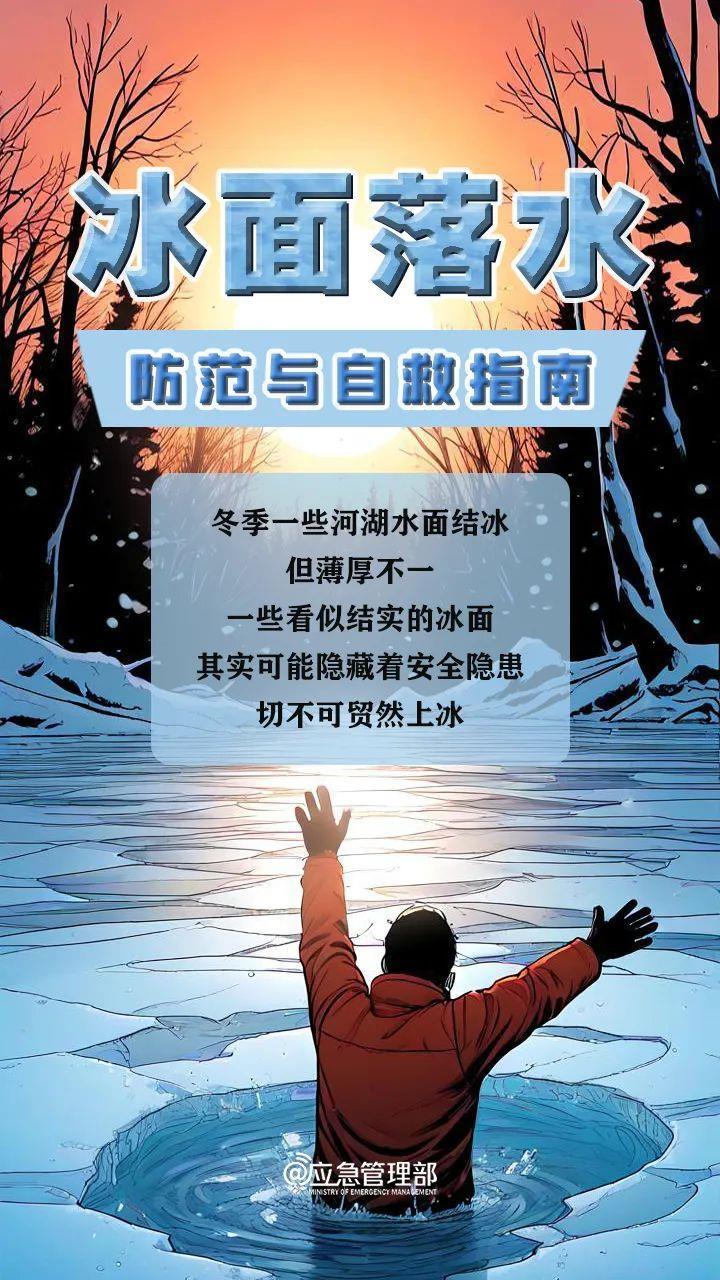
视频丨看似结实的冰面可能隐藏安全隐患 这份防范自救指南要收好

爱奇艺的算盘珠子,崩谁脸上了?
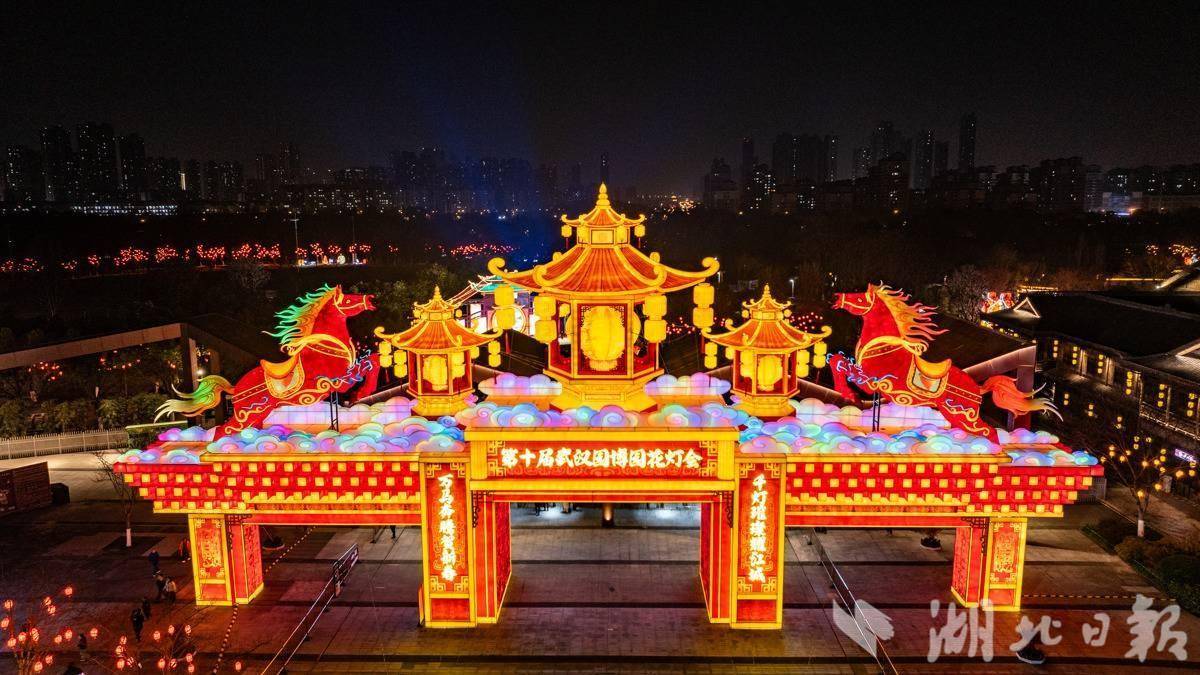
武汉园博园花灯会亮灯 新增柔光补灯告别拍照“显脸黑”

工信部召开光伏行业企业家座谈会:坚决破除行业“内卷式”竞争

一图读懂!辅助驾驶首个强制性国标来了

前10月造船完工量同比增长12%

乌克兰外长:泽连斯基准备好同普京会晤

中国代表呼吁推动加沙全面持久停火
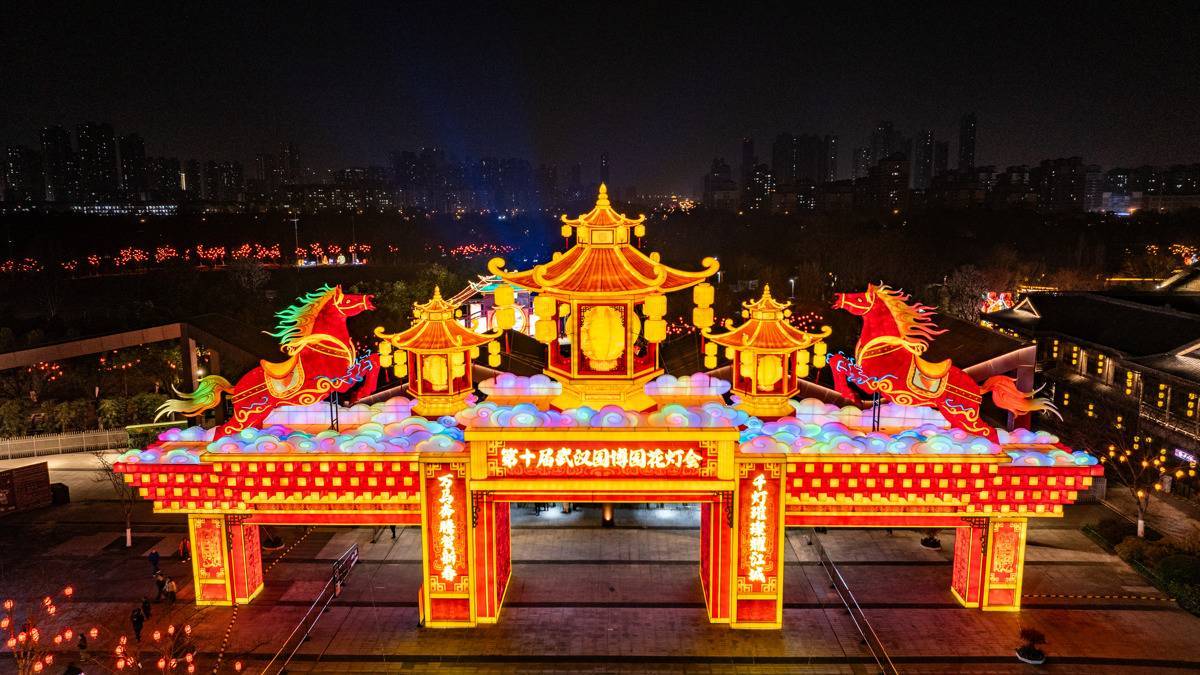
第十届武汉园博园花灯会点亮江城

中新人物丨“网红”导游迪丽努尔:想做一个小小而结实的桥梁

全速奔跑 十堰巩固放大山、水、车三大优势
经济热点快评|首个万亿GDP地市辖区诞生,“小块头”何来“大能量”?
Copyright © 2026-now 宜宾新闻网待遇如何 版权所有